













You should not have surgery until your weight is stable — 3 to 6 months for most patients— but you should start planning much earlier, often within the first months of GLP-1 therapy. Early planning lets a surgeon map safe staging, coordinate timing, and account for changes in body composition before they affect your result.
Almost every patient has the same instinct: finish the weight loss first, think about loose skin later. It is completely understandable. But after 25 years focused exclusively on this patient, and the largest published series of body lifts in the world, I can tell you the smoothest results usually go to the patients who started the conversation early — long before they were ready for surgery.
The distinction that matters most is this: planning early and operating at the right time are two different things. Your weight must be stable before surgery. But the gap between early planning and correctly-timed surgery is exactly where good outcomes are won or lost.
“The scale is only part of the story. Rapid weight loss on a GLP-1 medication reduces fat, and how it affects muscle varies from patient to patient. Understanding a person’s full trajectory early — not just their weight — is what lets me plan the right operation for the body they will actually have on surgery day.”
— Dr. Joseph Capella
What early planning actually lets us do
When a patient reaches out during active weight loss, we can map the whole journey rather than react to the aftermath. In practice, that means several things a last-minute consultation cannot:
- Prioritize the areas that will bother you most, so we address them first.
- Sequence procedures into safe, logical stages rather than rushing everything at once.
- Coordinate timing around your work, family, and recovery so surgery fits your life.
- Flag nutritional gaps early, so your body is strong and ready to heal when the time comes.
Body composition matters here, too. Weight lost on a GLP-1 medication is not only fat, and patients often arrive more “deflated,” with thinner tissues than they expect. For the right patient, that can make techniques such as fat transfer — restoring volume rather than only removing skin — part of the plan. That is a far easier decision to make well when I have understood a patient’s trajectory from early on, rather than meeting them the week they hit goal weight.
What we look at besides the scale
Two patients can lose the same amount of weight and need very different operations. The number on the scale tells me almost none of what I need to know to plan well. When we meet early, these are the things I am actually assessing:
- Skin quality and elasticity. How well your skin is likely to recoil tells me how much excess we will be working with, and where.
- Where the excess concentrates. Loose skin rarely distributes evenly. Whether it settles in the abdomen, arms, thighs, or back shapes which procedures matter most to you.
- Your history. Prior pregnancies, previous abdominal or bariatric surgery, and how much weight you have carried and for how long all influence technique and staging.
- Nutrition and healing readiness. Protein status and overall nutrition affect how well you heal, which is why I would rather know early than discover a gap the month before surgery.
- The right order of operations. When more than one area needs attention, sequencing the procedures safely is often as important as the procedures themselves.
None of this can be assessed from a goal weight alone. It is why the patients who reach out early, while their body is still changing, give me the most to work with when it is finally time to operate.
A common myth, corrected
The myth: “I should wait to talk to a plastic surgeon after I’m done losing weight.”
The reality: The opposite is true. Talking to a surgeon during your weight-loss phase does not commit you to anything or lead to premature surgery — it simply gives you a map. The surgery still happens only when your weight is stable. Early conversation, correctly-timed surgery: those two things work together.
The Bottom Line
Planning early and operating at the right time are two different things, and they work together. Surgery should wait until your weight is stable, 3 to 6 months for most patients, but the planning conversation can start much earlier, often within the first months of GLP-1 therapy. Meeting early lets Dr. Capella look beyond the scale at skin quality, where the excess concentrates, your history and your nutrition, so procedures can be prioritized, sequenced into safe stages and timed around your life. Talking to a surgeon early does not commit you to anything. It simply gives you a map.
Early in Your GLP-1 Weight Loss Journey?
A planning consultation now, during your Ozempic or Wegovy journey, shapes a better result later. You can meet with Dr. Capella in Ramsey, New Jersey, or remotely. Learn more about our post-weight loss body contouring procedures, review our financing information, or to schedule a consultation, please contact us.
About Dr. Capella
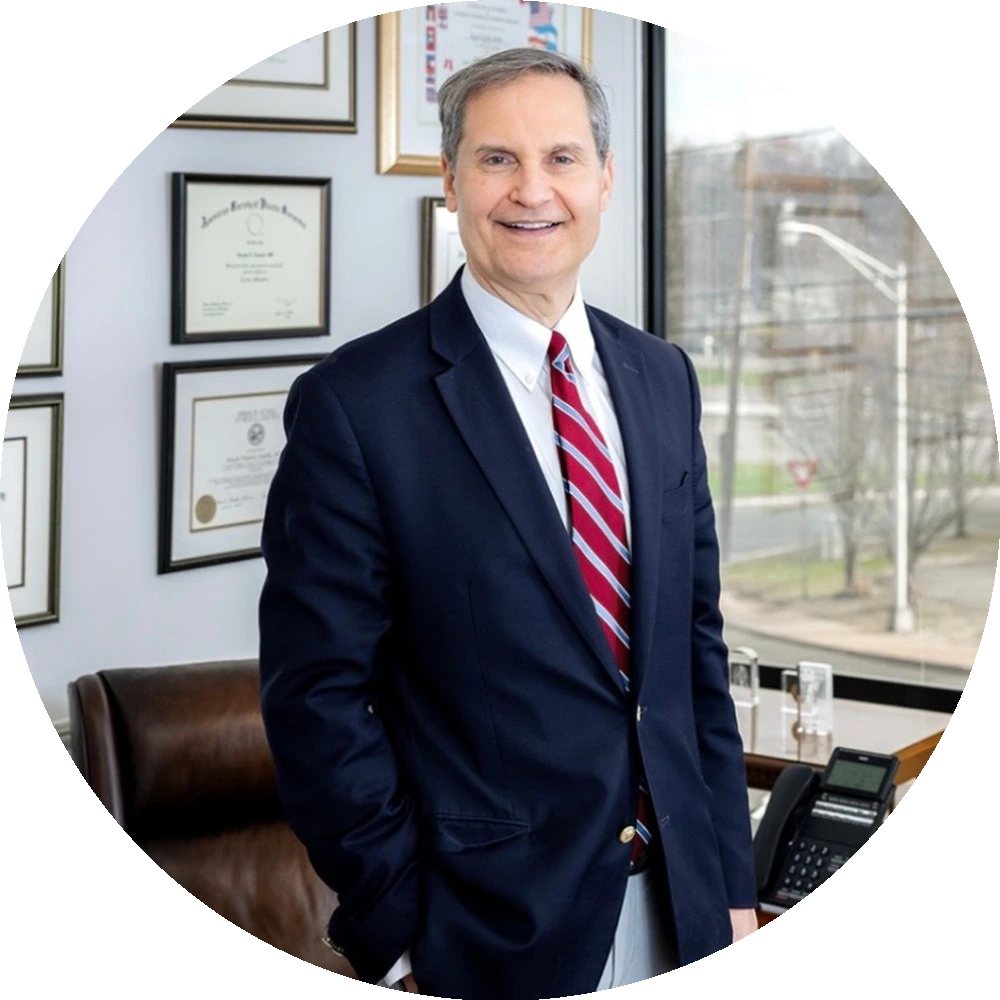
Dr. Joseph F. Capella is a board-certified plastic surgeon, and a pioneer and world leader in body contouring after weight loss. He completed his plastic surgery fellowship at the Mayo Clinic, serves as Chief of the Division of Post-Bariatric Surgery at Hackensack University Medical Center, and is Chief of Plastic Surgery at Pascack Valley Medical Center. He has devoted his entire 25-year career to a single focus: caring for patients after major weight loss. It is not one of the things he does. It is the only thing he does.
He has cared for more than 25,000 patients and performed over 15,000 procedures, and he holds the largest published single-surgeon case series in the world on body lifts, arm lifts, and medial thigh lifts. He has been named one of the Top 10 Plastic Surgeons in New York and recognized among the Best Doctors in America for four consecutive years. His work has been featured on ABC’s 20/20, The View, CNBC, and Elle, and he is frequently the surgeon to whom other surgeons refer their post-weight-loss patients. His father, Dr. Rafael Capella, was a founding member of the American Society for Metabolic and Bariatric Surgery.
Frequently Asked Questions
When should I start thinking about body contouring after Ozempic or other GLP-1 medication?
Ideally during the active weight-loss phase. You will not have surgery until your weight is stable, but early planning produces safer staging and better results.
How long does my weight need to be stable before surgery?
Generally 3 to 6 months of stable weight for most patients.
Can I have a consultation before I finish losing weight?
Yes. A remote or in-person consultation in the later stages of weight loss is one of the most valuable steps you can take.
Will planning early pressure me into surgery before I’m ready?
No. Early planning is about mapping your options, not scheduling surgery. The operation still happens only when your weight is stable and you are ready.
Should I tell my GLP-1 prescriber I’m considering surgery?
Yes. Coordinated care between your prescriber, your primary physician, and your surgeon leads to safer planning and smoother healing, which is another reason to start the conversation early.