












Reclaiming Your Shape After GLP-1 Weight Loss
Significant weight loss with GLP-1 medications like Ozempic and Wegovy can feel life-changing, but the loose skin that often follows can be frustrating. The upper arms, chest, bra-line area, and upper back are common trouble spots, especially when the weight comes off quickly and the skin cannot contract to match the new body size. Many people find that no matter how much they exercise, that extra skin will not tighten on its own.
This is where an integrated upper body lift after GLP-1 weight loss comes in. Some people call it an “Ozempic upper body lift,” but it is not a fad or a single trademarked procedure. It is a comprehensive surgical approach to reshaping the upper body after major weight loss, tailored to each person’s anatomy and goals. At Capella Plastic Surgery in New Jersey, our entire practice is centered on patients who have lost a large amount of weight through bariatric surgery, lifestyle change, or GLP-1 medications.
In this article, we will explain what an upper body lift really involves, when the timing is right, and what to expect from surgery, recovery, and long-term results. We will also discuss benefits, risks, and why working with a surgeon whose focus is body contouring after GLP-1 weight loss in New Jersey can make a meaningful difference.
“The upper back, bra line, and chest are where many patients carry loose skin after major weight loss, and it is the area that gets talked about least. Addressing it is often what makes a result finally feel complete.”
— Dr. Joseph Capella
What an Upper Body Lift After Ozempic Really Involves
An upper body lift is a group of procedures designed to remove excess skin and reshape the arms, lateral chest, upper back and breasts. The goal is to create a more continuous, smoother contour from the arms into the chest, breasts and back, instead of treating each area in isolation.
This is different from having a simple arm lift or breast lift alone. Many GLP-1 patients have loose skin that wraps around the entire upper torso. If we only tighten the arms, the skin on the side of the chest can still hang. If we only address the breasts, the lateral rolls may remain which some patients refer to as a “side boob.” An upper body lift looks at the upper torso as a connected unit, so the result is more balanced and natural.
Incisions are typically placed:
- Along the lower, inner part of the arm (seam of a shirt), extending toward the lateral chest into the armpit and toward the base of the breast.
- Around the areola and possibly in the breast crease, if a breast lift or reduction is included
- Across the upper back at the bra-line (this scar may not be necessary in many instances if a body lift is performed first – Dr. Capella prefers not to utilize the bra line if possible)
The trade-off is a scar that usually fades with time, in exchange for a more proportionate shape and improved comfort. With decades of exclusive experience in post-weight-loss body contouring, Dr. Joseph F. Capella plans incisions carefully to match each patient’s skin pattern and clothing preferences whenever possible.
Are You Ready for an Ozempic Upper Body Lift?
Timing is one of the most important factors. We generally recommend that patients be at or very close to their goal weight and maintain a stable weight for several months before surgery. This allows the skin to respond as much as it can on its own and gives us a more predictable starting point for body contouring.
Good overall health and lifestyle habits are also key. Before an upper body lift, we generally recommend:
- Consistent nutrition with adequate protein intake
- No smoking or vaping for a significant period before and after surgery
- Well-managed medical conditions, such as diabetes or high blood pressure
- A clear understanding of the trade-off between loose skin and visible scars
GLP-1 medications can affect appetite and nutrition, so patients often ask if they should continue or pause these drugs around surgery. This is a personal medical decision that must be made with the prescribing physician and anesthesia team. The most important point is that your nutritional status supports good healing and that any medication plans are coordinated with your overall surgical care.
During consultation, Dr. Capella evaluates not only your body but also how you achieved your weight loss: bariatric surgery, lifestyle change, GLP-1 medications, or some combination. Each path has its own impact on skin quality, nutritional status, and long-term weight stability, and your surgical plan is customized with that full picture in mind.
Benefits and Risks You Should Weigh Carefully
An upper body lift can offer meaningful benefits if loose skin is limiting your comfort or confidence. Many patients report:
- A more defined contour of the arms, chest, and upper back
- Clothing that fits better, with less need to hide in oversized sleeves or layers
- Decreased chafing, rashes, or skin irritation in bra-line folds
- Greater ease in physical activity, from exercise to daily tasks
At the same time, this is significant surgery, and it is important to be honest about the trade-offs. Potential risks include:
- Visible, sometimes wide or raised scars that vary by individual healing
- Wound healing issues or delayed healing, especially in areas with a lot of tension
- Fluid collections under the skin that may require drainage
- Changes in skin sensation, such as numbness or hypersensitivity
- Asymmetry or contour irregularities that may sometimes need revision
Skin that has been stretched by major weight loss behaves differently than skin that has never been enlarged. Over many years and thousands of body contouring procedures, Dr. Capella has learned patterns specific to this type of tissue, which helps guide decisions about how much skin to remove and how to support healing. During consultation, we go through risks in detail, with extra attention to issues that are especially relevant for GLP-1, bariatric, and lifestyle weight loss patients.
What Recovery and Results Look Like Day to Day
The first few days focus on resting but also regular walking. You may have surgical drains, which are temporary tubes that remove fluid and help reduce swelling.
After one week, many patients are back to desk work and light daily activities, though lifting, reaching overhead, and strenuous exercise are still limited. Driving usually resumes once you are off prescription pain medication and can move your arms comfortably and safely.
Full gym activities can resume at six weeks. Follow-up visits allow us to monitor incision healing, adjust garments, and answer any questions that arise as you become more active.
Here are some tips to support a smooth recovery:
- Carefully following incision care and drain instructions
- Avoiding nicotine and secondhand smoke exposure
- Prioritizing hydration, protein, and overall balanced nutrition
- Attending all planned follow-up appointments
Scars are typically firm and more noticeable in the early months. Over time, they usually soften and fade, though they never disappear completely. Scar care can include sun protection and sometimes topical treatments if appropriate. Many massive weight loss patients describe their final outcome in terms of function and confidence: being able to wear short sleeves, enjoy fitness activities, and feel more in sync with their new body, rather than expecting a flawless, untouched appearance. Going into surgery with that mindset often leads to greater long-term satisfaction.
Choosing a Specialist for Post-GLP-1 Body Contouring in NJ
Experience with massive weight loss patients is different from general cosmetic surgery experience. The patterns of loose skin, previous bariatric scars, nutritional considerations, and tissue quality make these cases more complex and more specialized. An upper body lift for someone who has lost a large amount of weight is not the same procedure as a small cosmetic arm lift.
Dr. Joseph F. Capella has devoted his entire surgical career to this one group of patients. For more than 25 years, he has focused exclusively on people who have achieved major weight loss through bariatric surgery, lifestyle change, or medications like Ozempic and Wegovy. He has cared for tens of thousands of patients and performed many thousands of cosmetic and body contouring procedures, and he holds the largest published series of body lifts, arm lifts, and medial thigh lifts in massive weight loss patients by a single surgeon. He has also been recognized among the Top 10 Best Plastic Surgeons in New York and included in the Best Doctors in America list.
When you meet with any surgeon for body contouring after GLP-1 weight loss in New Jersey, consider asking to see before and after photos of patients whose bodies and weight loss histories resemble yours. A thorough consultation should include detailed discussion of scars, whether procedures should be staged or combined, anesthesia safety, and the experience of the support team. At Capella Plastic Surgery, this type of surgery is not a subspecialty within a broader practice. It is all that we do, and every part of our process, from consultation through follow-up, is built around this specific patient population.
Taking the Next Step in Your Transformation Journey
For many people who have reached their goal weight with the help of GLP-1 medications, an upper body lift represents the final step in a long transformation. It is not a shortcut or a quick fix. It is a thoughtful decision to address the remaining physical reminders of a larger body, so the outside can better reflect how you feel on the inside.
At Capella Plastic Surgery, we see this as moving from “before and after weight loss” to “before and after completion.” When loose upper-body skin stands between you and feeling fully at home in your new shape, specialized body contouring after GLP-1 weight loss in New Jersey can help close that gap with realistic expectations, honest guidance, and experience that is entirely focused on this moment in your story.
The Bottom Line
An upper body lift can be a transformative final step after significant GLP-1 weight loss, helping to address loose skin that diet and exercise alone cannot fix. By restoring smoother contours to the arms, chest, and upper back, this procedure can enhance both comfort and confidence. With realistic expectations, proper timing, and the guidance of an experienced post-weight-loss body contouring specialist, patients can achieve results that better reflect the hard work and dedication behind their weight loss journey.
Ready to Talk About Your Upper Body After Weight Loss?
If loose skin across your arms, chest, bra line, or upper back is still standing between you and feeling at home in your new shape, Dr. Capella can talk through your goals, review your medical history, and design a plan tailored to you. Read more about the upper body lift. Learn more about our post-weight loss body contouring procedures, review our financing information, or to schedule a consultation, please contact us.
About Dr. Capella
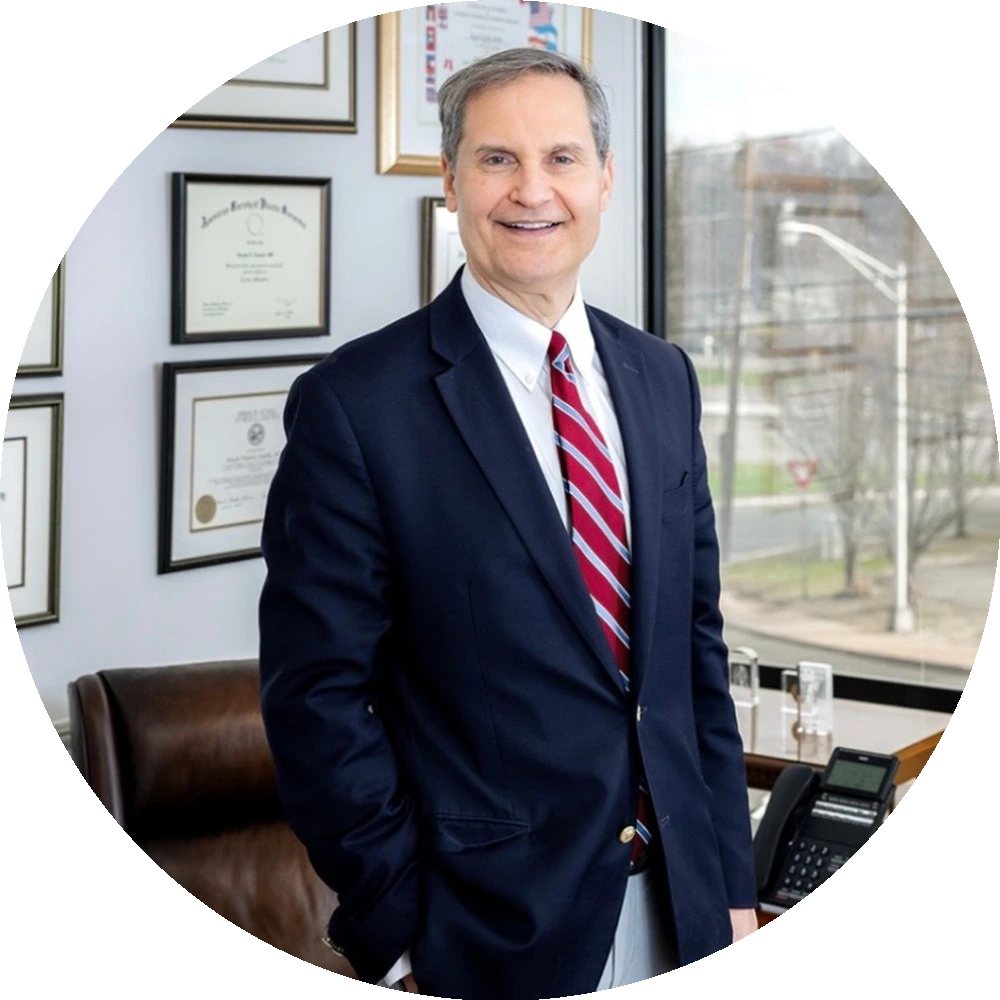
Dr. Joseph F. Capella is a board-certified plastic surgeon, and a pioneer and world leader in body contouring after weight loss. He completed his plastic surgery fellowship at the Mayo Clinic, serves as Chief of the Division of Post-Bariatric Surgery at Hackensack University Medical Center, and is Chief of Plastic Surgery at Pascack Valley Medical Center. He has devoted his entire 25-year career to a single focus: caring for patients after major weight loss. It is not one of the things he does. It is the only thing he does.
He has cared for more than 25,000 patients and performed over 15,000 procedures, and he holds the largest published single-surgeon case series in the world on body lifts, arm lifts, and medial thigh lifts. He has been named one of the Top 10 Plastic Surgeons in New York and recognized among the Best Doctors in America for four consecutive years. His work has been featured on ABC’s 20/20, The View, CNBC, and Elle, and he is frequently the surgeon to whom other surgeons refer their post-weight-loss patients. His father, Dr. Rafael Capella, was a founding member of the American Society for Metabolic and Bariatric Surgery.
Frequently Asked Questions
What is the difference between an upper body lift and an arm lift?
An arm lift treats the arms alone. An upper body lift is a group of procedures that removes excess skin and reshapes the arms, lateral chest, upper back, and breasts as one connected unit. Many GLP-1 patients have loose skin that wraps around the whole upper torso, so tightening only the arms can leave the side of the chest hanging.
Where are the scars from an upper body lift?
Incisions typically run along the lower, inner arm, like the seam of a shirt, extending toward the armpit and the base of the breast. If a breast lift or reduction is included, they also go around the areola and possibly in the breast crease. Scars are firm at first, then usually soften and fade, though they never disappear completely.
Is a bra-line scar always needed for an upper body lift?
Not always. An incision across the upper back at the bra line may not be necessary in many instances if a body lift is performed first, and Dr. Capella prefers not to use the bra line when possible. He plans incisions around each patient’s skin pattern and clothing preferences whenever he can.
When can I go back to work and the gym after an upper body lift?
After one week, many patients are back to desk work and light daily activities, though lifting, reaching overhead, and strenuous exercise are still limited. Driving usually resumes once you are off prescription pain medication and can move your arms comfortably. Full gym activities can resume at six weeks, with follow-up visits along the way.
Should I stop Ozempic before an upper body lift?
Whether to continue or pause a GLP-1 medication around surgery is a personal medical decision made with your prescribing physician and the anesthesia team. What matters most is that your nutritional status supports good healing and that any medication plans are coordinated with your overall surgical care.
This article is general educational information and is not medical advice. Any decision about your medication or surgery should be made with your prescribing provider and a qualified, board-certified plastic surgeon.