












If you have ever pressed on your abdomen after pregnancy or significant weight loss and noticed a soft gap or bulge running down the middle, you may be experiencing diastasis recti – a separation of the abdominal muscles that can change the shape and support of your entire midsection.
A tummy tuck can do more than remove loose skin. During a full abdominoplasty, the underlying abdominal wall can also be repaired by bringing the separated rectus abdominis muscles back toward the midline. This muscle repair can flatten the abdominal profile, restore tension to the abdominal wall, and improve core support.
At Capella Plastic Surgery in Ramsey, muscle repair is a routine part of tummy tuck procedures. Dr. Joseph Capella has personally performed over 3,000 surgeries of this kind.
What Is Diastasis Recti?
Your “six-pack” muscles – the rectus abdominis – run vertically down the front of your abdomen in two parallel columns, joined at the midline by a thin band of connective tissue called the linea alba.
Diastasis recti happens when that tissue stretches and thins, allowing the two muscle columns to drift apart. The muscles themselves are not torn – they are simply separated, like a zipper that has come undone down the middle.
Because the front wall loses its tension, the belly pushes forward. That is why many people describe a rounded, “still pregnant” pooch even at a healthy weight – it is a structural issue, not a fat issue, so it does not respond to dieting or crunches.
Causes of Diastasis Recti
- Pregnancy. A growing uterus stretches the abdominal wall over months. Multiple pregnancies, twins or triplets, a large baby, or a petite frame all raise the likelihood.
- Significant weight gain followed by weight loss. Intra-abdominal fat expands the wall from within; when the weight comes off – including after bariatric surgery – the stretched tissue often does not snap back.
- Aging and genetics. Connective tissue loses elasticity, and some people simply have thinner, more stretch-prone tissue.
This is a common concern for patients seeking post-weight-loss surgery, which is a cornerstone of our practice. Dr. Joseph Capella’s unique background – including working alongside his father, renowned bariatric surgeon Dr. Rafael Capella – gives him deep insight into the anatomical changes that follow massive weight loss.
Can a Tummy Tuck Repair Separated Muscles?
Yes. A full abdominoplasty is currently the most reliable way to correct diastasis recti in adults, because the separation is a connective tissue problem rather than a strength problem.
Targeted exercise and physical therapy can improve deep core control and may help mild cases, particularly in the early months after childbirth. But once the linea alba has stretched thin, no amount of crunching will pull the muscle edges back together – and crunches can make a visible bulge look worse by pushing outward against weakened tissue.
The Muscle Repair Procedure During a Tummy Tuck
After the incision is made, the skin and fat are lifted to expose the underlying muscles. Dr. Capella then uses strong sutures to stitch the separated rectus muscles back together along the midline – a technique called plication. Think of it as re-cinching an internal corset that has loosened over time.
Repair can extend from just below the breastbone down to the pubic bone, depending on how far the separation runs. The muscles are not cut, and nothing is removed; they are simply brought back into proper alignment. This tightens the entire abdominal wall, flattens the stomach profile, and reinforces the core, which can help relieve related symptoms like lower back pain.
What a Tummy Tuck Actually Fixes
Muscle Repair Addresses:
- Separation of the rectus abdominis muscles
- Forward bulging of the abdominal wall
- Loss of waist definition
- Weak core support and the sensation of an unsupported midsection
Skin and Fat Removal Addresses:
- Loose, hanging, or crepe-like abdominal skin
- Stretch marks located on the skin that is removed
- Subcutaneous fat between the skin and muscle (liposuction is often incorporated to sculpt the waistline and flanks)
- Overhanging tissue that causes rashes or clothing frustration
What a Tummy Tuck Does Not Fix:
- Visceral fat surrounding the internal organs
- Overall fitness or core endurance
- Skin laxity outside the treated zone – those may call for a body lift or other contouring
A tummy tuck is a key component of a mommy makeover and a foundational procedure after major weight loss.
What to Expect During Tummy Tuck Recovery
Muscle repair is why abdominoplasty recovery feels different from skin-only procedures – your abdominal wall is under new tension and needs time to settle.
- First week: Tightness across the midsection is normal. Most patients walk slightly bent forward at first, then gradually straighten.
- Weeks two to four: : Light activity and short walks are encouraged. Compression garments are worn as directed to support healing tissue and minimize swelling.
- Weeks four to six: Many people return to desk work and everyday routines, with lifting still restricted.
- Six weeks and beyond: Gradual return to exercise, following your surgeon’s clearance.
- Three to six months: Swelling fades, and the true contour emerges; final results become apparent over 6 to 12 months as scars continue to mature.
Sleeping in a slightly bent position, staying hydrated, walking daily, and avoiding nicotine all support healing.
Consultation at Capella Plastic Surgery
Consultations are available virtually or in person at our Ramsey office at 545 Island Road, Suite 2A. Dr. Capella takes the time to evaluate your abdominal skin and muscle laxity, discuss your goals, and explain whether muscle repair should be part of your tummy tuck. He will also review incision placement, scar expectations, recovery, and what the procedure can realistically accomplish for your individual anatomy.
Patients travel from across the country and internationally to seek Dr. Capella’s expertise in post-weight-loss body contouring, and our team is experienced in coordinating consultations and surgical care for traveling patients.
Request a Consultation or call (201) 818-9199.
About Dr. Capella
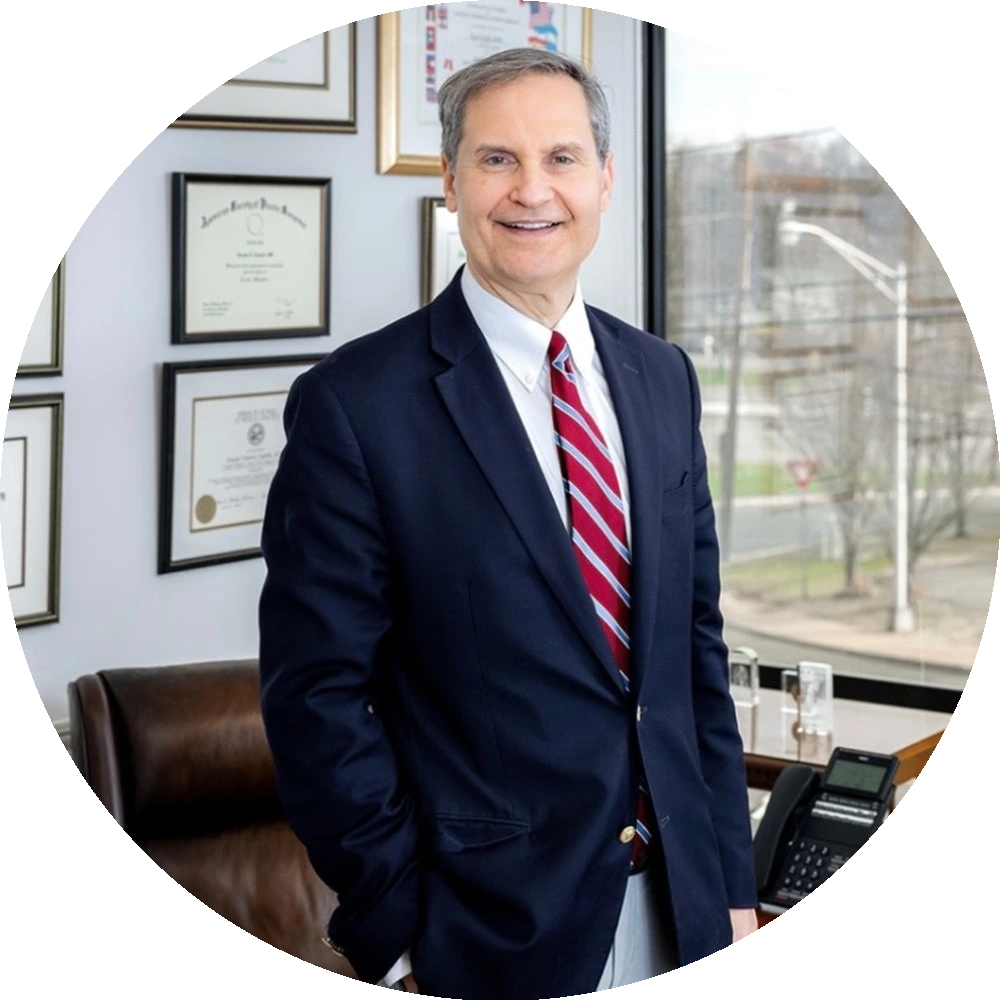
Dr. Joseph F. Capella is a board-certified plastic surgeon and a pioneer and world leader in body contouring after weight loss. He has devoted his entire 25-year career to caring for patients after major weight loss. While many plastic surgeons perform body contouring as one part of a broader practice, this is Dr. Capella’s singular area of focus. That specialized experience is one reason surgeons from across the country refer their post-weight-loss patients to him.
Dr. Capella has cared for more than 25,000 patients and performed more than 15,000 procedures specifically for this patient population. He holds the largest published single-surgeon case series in the world on body lifts, arm lifts, and medial thigh lifts. He completed his plastic surgery fellowship at the Mayo Clinic, serves as Chief of the Division of Post-Bariatric Surgery at Hackensack University Medical Center, and is Chief of Plastic Surgery at Pascack Valley Medical Center.
Dr. Capella also lectures internationally to other plastic surgeons, has co-authored major plastic surgery textbooks, and has served on the American Society of Plastic Surgeons post-bariatric body contouring task force.
He has been named one of the Top 10 Plastic Surgeons in New York and recognized among the Best Doctors in America for four consecutive years. His work has been featured on ABC’s 20/20, The View, CNBC, and Elle. His father, Dr. Rafael Capella, was a founding member of the American Society for Metabolic and Bariatric Surgery.
The Bottom Line
A tummy tuck can address more than loose abdominal skin – it can also repair diastasis recti and restore tension to the abdominal wall. By bringing the separated muscles back toward the midline, muscle repair can create a flatter abdominal contour while improving core support. If you have persistent abdominal bulging or a weakened midsection after pregnancy or significant weight loss, an evaluation with an experienced plastic surgeon can help determine whether diastasis recti repair as part of a tummy tuck is right for you.
At Capella Plastic Surgery in Ramsey, Dr. Joseph Capella brings decades of specialized experience in body contouring and post-weight-loss surgery to each patient’s treatment plan.