











A body contouring consultation with Dr. Capella is a complete assessment of your goals, your weight-loss history, your medical health, and the quality of your skin and tissue. It ends with a personalized, staged surgical plan. It can be done in person in Ramsey, New Jersey, or remotely with photos and a health questionnaire.
For many patients, the hardest part of this journey is simply booking the first consultation. Not knowing what to expect makes it easy to put off. So here is exactly what happens, start to finish, so you can walk in — or log on — knowing what is ahead.
I have spent more than 25 years focused on body contouring after weight loss, and more than 25,000 patients have sat across from me in this first conversation. The consultation is where good results actually begin. The operation carries out a plan, and the consultation is where that plan is made.
“A consultation is the foundation of a successful surgical outcome. It is an opportunity to understand each patient as an individual—their goals, their health, and their lifestyle—and develop a thoughtful, personalized surgical plan. My priority is to provide honest guidance, establish realistic expectations, and ensure every patient leaves feeling informed, confident, and reassured about the path forward.”
— Joseph F. Capella, MD, FACS
What happens at a body contouring consultation?
A body contouring consultation with Dr. Capella has four steps: a conversation about your goals and weight-loss story, a physical assessment of each area of concern, a review of your full medical history, and a personalized plan. It follows the same steps in Ramsey or remotely.
1. Your goals and your story. We begin with you: how you lost the weight, where you are now, and what bothers you most. A patient who lost 120 pounds after bariatric surgery ten years ago and a patient who lost 60 pounds on a GLP-1 medication this year may have very different needs, even when the loose skin looks similar.
2. A physical assessment of each area of concern. I evaluate the abdomen, thighs, buttocks, back, breasts, arms and face as needed. For each area I am looking at three things: skin quality, how much fat remains, and how well the underlying tissue is supported. That assessment is what tells us whether an area needs skin removal, liposuction, both, or nothing at all.
3. Your full medical history. We review your health conditions, your medications — including any GLP-1 medication and where you are in that treatment — and your nutrition. Weight stability matters a great deal here. If your weight is still changing, we will talk honestly about timing; our guide on when weight is stable enough for surgery explains why.
4. A staged plan. From there, we map out which procedures, in what order, with what timing and recovery. For most of my patients this is not a single operation, so the order and spacing of each stage is a central part of the plan.
What does Dr. Capella look for during the physical exam?
After major weight loss, the problem is usually loose skin, not excess fat. The exam is how I tell the two apart in each part of the body. Choosing the wrong operation — for example, liposuction when the real issue is skin — leads to disappointment, so this step gets the most time.
I also look at how the areas relate to one another. The abdomen, hips, outer thighs and buttocks are connected, and the skin of the upper body and arms behaves as a unit too. That is why many patients are better served by a lower or upper body lift than by a series of separate small procedures. My experience includes more than 3,000 body lifts, 3,000 tummy tucks and 2,000 arm lifts. The exam is where that experience is most useful to you: it lets me predict how your skin will respond and what each stage can realistically achieve.
What should I bring to my consultation?
Bring your weight-loss history, a list of your medications (including any GLP-1 with its dose and start date), your medical history and physicians’ names, and your questions. For a remote consultation, add clear photos of each area of concern.
Your weight-loss history: your highest weight, your current weight, how you lost it, and how long you have been stable.
A list of your medications, including any GLP-1 medication with its dose and start date.
Your medical history and the names of the physicians who manage your care.
Your questions and your priorities. Which area bothers you most? What would make the biggest difference in your daily life?
For a remote consultation: clear photos of each area of concern, taken from the angles we request.
Can I have a remote consultation?
Yes. Patients come to Dr. Capella from all over the United States and from many other countries, so remote consultations are a core part of how we work. The steps are set out on our out-of-town patients page:
You send images of your areas of concern, using views similar to those in our before-and-after gallery, along with a brief summary of your medical and weight history and the procedures you are considering.
I review your images and concerns personally.
Our patient coordinator arranges a time for you and me to speak, so we can agree on the safest and most effective plan.
Our surgical coordinator then sends you the fees for the proposed procedures.
In-person and remote patients receive the same thorough assessment and the same individualized plan. Remote patients also learn during that first call how long they will need to stay in the New York metropolitan area for their surgery and recovery.
“Distance shouldn’t keep a patient from expert care. We’ve guided patients through remote consultations from across the country and overseas, and they arrive for surgery already knowing their plan.”
— Joseph F. Capella, MD, FACS
Will I leave with a specific surgical plan?
Yes. By the end of the consultation you will know which procedures I recommend, the order I would perform them in, roughly how far apart the stages should be, and what recovery will look like for each.
The plan also covers where your surgery would take place. All surgeries are performed personally by me, either at our on-site AAAASF-certified surgical facility or at Hackensack University Medical Center or Pascack Valley, depending on the procedures. Some procedures call for an overnight stay.
If the honest answer is that now is not the right time — because your weight is still changing or your health needs attention first — I will tell you that, and tell you what to work on. For a broader view of how the stages fit together, see The Complete Post-Ozempic Surgical Roadmap.
What questions should I ask at a plastic surgery consultation?
A good consultation is a two-way conversation. These are worth asking any surgeon you meet:
How many post-weight-loss body contouring procedures have you personally performed?
Do you perform every part of the operation yourself?
Which procedures would you combine, which would you stage, and why?
Where will my surgery take place, and will I stay overnight?
What does recovery look like for each stage, and when can I return to work?
How will you coordinate with my other physicians?
Can I speak to other patients who have had the same surgery?
Our article on how to choose a body contouring surgeon after weight loss goes further into what the answers should sound like.
What happens after the consultation?
There is no fee for the consultation itself, and once you have your plan, there is no pressure to decide that day. Our team can answer follow-up questions, walk you through financing options, and help you choose surgery dates that fit your work and family life. Questions about coverage are common too. Our guide on whether insurance covers skin removal after weight loss explains what is and is not usually covered.
The Bottom Line
A consultation with Dr. Capella is a complete assessment of your goals, your weight-loss history, your health and the quality of your skin. You leave with a specific plan: which procedures, in what order, how far apart and what recovery will look like. It can be done in person in Ramsey, New Jersey, or remotely, there is no fee for the consultation itself, and there is no pressure to decide that day.
To prepare, see our guides on how to choose a body contouring surgeon after weight loss and the cost of body contouring after weight loss and how to pay for it.
Ready to Take the First Step?
Whether you live in Bergen County or overseas, the first step is the same: an honest conversation about your body, your health and your goals. Learn more about our post-weight loss body contouring procedures, review our financing information, or to schedule a consultation, please contact us.
About Dr. Capella
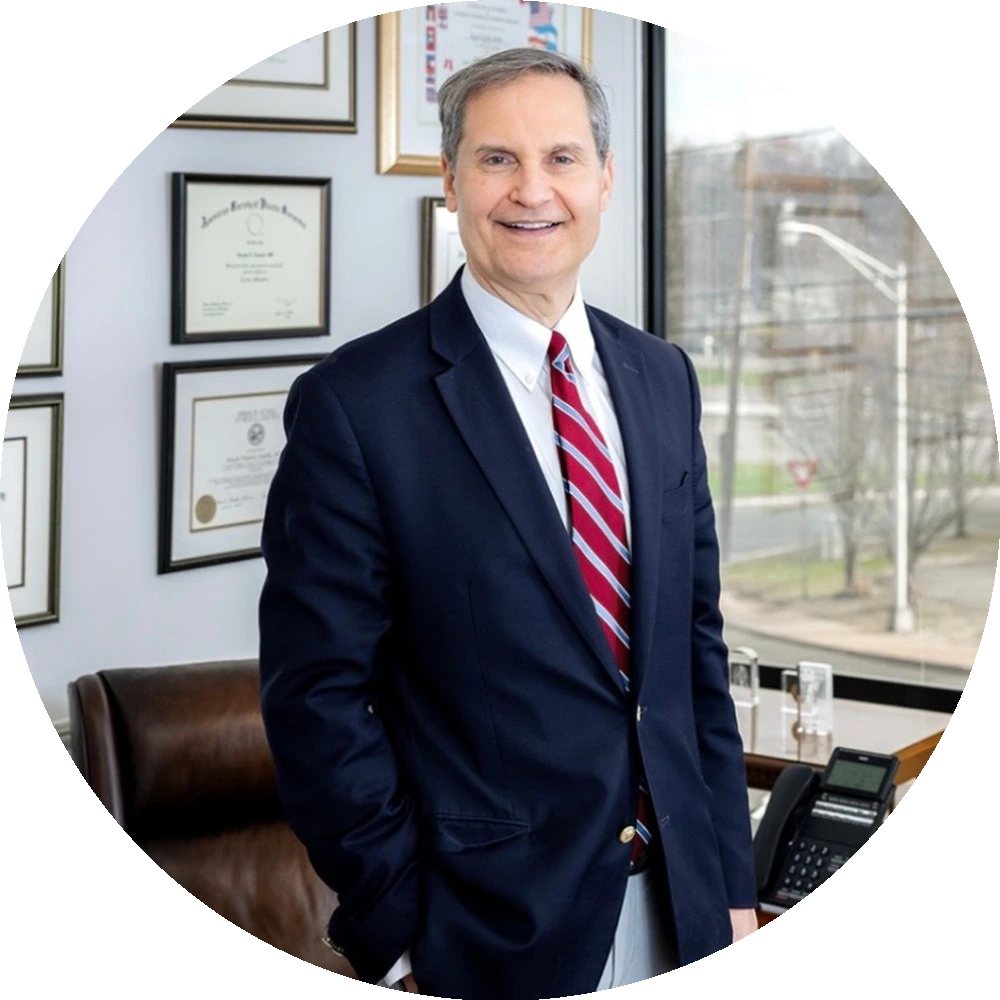
Joseph F. Capella, MD, FACS, is a board-certified plastic surgeon, and a pioneer and world leader in body contouring after weight loss. He completed his plastic surgery fellowship at the Mayo Clinic, serves as Chief of the Division of Post-Bariatric Surgery at Hackensack University Medical Center, and is Chief of Plastic Surgery at Pascack Valley Medical Center. He has devoted his entire 25-year career to a single focus: caring for patients after major weight loss. It is not one of the things he does. It is the only thing he does.
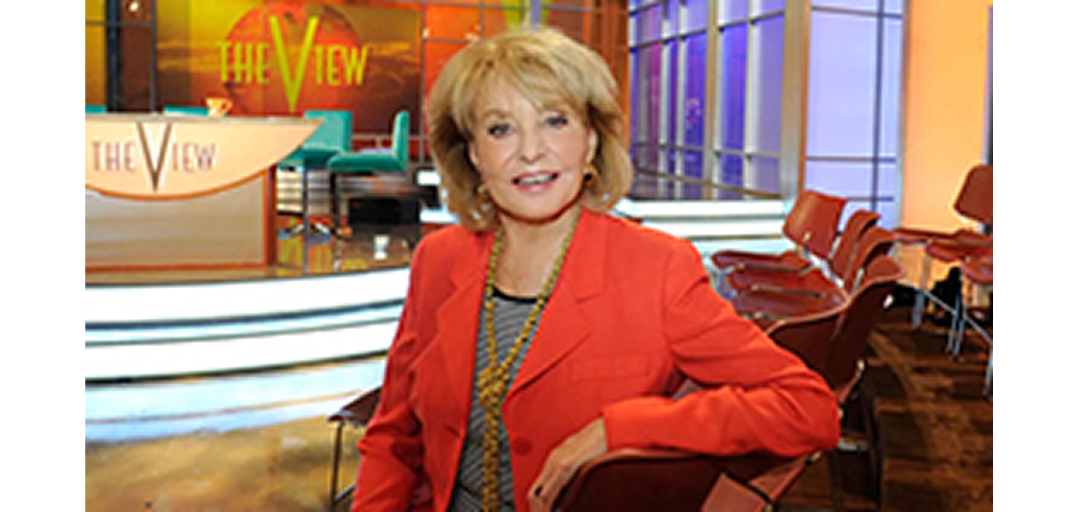
He has cared for more than 25,000 patients and performed over 15,000 procedures, and he holds the largest published single-surgeon case series in the world on body lifts, arm lifts, and medial thigh lifts. He has been named one of the Top 10 Plastic Surgeons in New York and recognized among the Best Doctors in America for four consecutive years. His work has been featured on ABC’s 20/20, The View, CNBC, and Elle, and he is frequently the surgeon to whom other surgeons refer their post-weight-loss patients. His father, Dr. Rafael Capella, was a founding member of the American Society for Metabolic and Bariatric Surgery.
Frequently Asked Questions
What should I bring to a body contouring consultation?
Bring your weight-loss history (highest weight, current weight and how long you have been stable), a list of your medications including any GLP-1 medication, your medical history and your questions. For a remote consultation, send clear photos of each area of concern from the angles our team requests.
Can I have a body contouring consultation remotely?
Yes. You send photos of your areas of concern along with a short medical and weight history. Dr. Capella reviews them personally, then speaks with you to agree on a plan. Our surgical coordinator then sends the fees for the proposed procedures, all before you travel.
Will I get a specific surgical plan at my consultation?
Yes. You will leave knowing which procedures Dr. Capella recommends, the order he would perform them in, the timing between stages, and what recovery looks like for each. If now is not the right time, he will explain why and what to work on first.
Is there a fee for a body contouring consultation?
No. There is no fee for a consultation with Dr. Capella, whether you meet in person in Ramsey, New Jersey, or remotely.
How long does a body contouring consultation take?
Plan for an unhurried visit. Dr. Capella examines each area of concern and reviews your full medical and weight-loss history before building a staged plan, so the consultation takes as long as your questions need. Our team can give you an expected time when you book.
Do I need to be at my goal weight before my consultation?
No. Many patients consult while they are still losing weight so they understand the plan and the timing early. Surgery itself is scheduled once your weight is stable, and your consultation is a good time to talk through what “stable” means in your case.
Medically reviewed by Joseph F. Capella, MD, FACS · Last updated: November 4, 2026