












Ozempic and similar GLP-1 medications are helping many people lose a significant amount of weight. Along with this success, a new concern often appears: loose, hanging skin that does not match how hard you have worked. If you are thinking about body contouring surgery, it can be confusing to know when your weight is stable enough for a safe, long-lasting result, and how your medication fits into the picture.
In this article, we will discuss how Ozempic weight loss can affect your skin, what surgeons usually mean by stable weight, and how timing your surgery can make a big difference. We will also clarify the difference between briefly pausing your medication around surgery and longer-term medication decisions, and touch on how we at Capella Plastic Surgery approach body contouring after significant weight loss.
“Operating before your weight is stable is one of the few ways to compromise a result before we even begin. For most patients that means several months at a steady weight — and that patience pays off in a result that lasts.”
— Dr. Joseph Capella
Timing Your Ozempic Journey and Body Contouring Goals
GLP-1 medications like Ozempic are prescribed to help control blood sugar and support weight loss. They can lower appetite, help you feel full sooner, and make it easier to eat less over time. For many people in New Jersey and across the country, this finally brings the scale down after years of struggle.
Rapid loss of fat, however, often leaves extra skin behind. The skin has been stretched for a long time and may not shrink back enough on its own. That is when questions start: When should surgery happen? Do you need to stop Ozempic first? How long should you wait?
At Capella Plastic Surgery, we can help you time your surgery and answer all of your questions. Our practice focuses on reshaping the body after major weight changes, whether from bariatric surgery or medication-assisted weight loss. Planning the timing of surgery matters, especially if you want to feel more comfortable next beach season or for a future wedding, reunion, or big vacation.
How Ozempic Weight Loss Can Lead to Loose Skin
When weight drops quickly, the skin sometimes does not have time or ability to tighten. This is especially true if the weight gain was large or lasted for many years, the skin already feels thin or stretched out, or there were past weight ups and downs.
Several factors can make loose skin more noticeable after Ozempic:
- Age, since skin tends to lose firmness over time
- Genetics, which affect how much natural snap back your skin has
- Smoking history, including vaping or secondhand smoke exposure
- Long-term sun exposure, which can weaken skin structure
- Higher starting weight or longer duration of being overweight
Common trouble spots we see include the lower abdomen, upper arms, inner and outer thighs, breasts, and back rolls. Many people in New Jersey come in saying clothes do not fit right, skin rubs or chafes, and they feel held back even after reaching a healthier weight.
When Your Weight Is Truly Stable Enough for Surgery
Plastic surgeons talk about weight stability because it affects both safety and the look of your final result. In general, stable weight means your weight stays within about the same 5- to 10-pound range for several months in a row. For many people, that means holding steady for at least half a year, and sometimes longer.
If surgery is done too early while weight is still dropping, you can run into problems:
- More loose skin appears as you keep losing weight, undoing some of the surgical tightening
- Shape and symmetry can change, so results may not look balanced
- There may be a higher chance of needing revision procedures later
- Rapid weight loss can affect nutrition, which can slow healing
Signs you may be getting close to a stable point include:
- Your weight has plateaued instead of dropping week after week
- Your food and activity habits feel consistent and realistic for the long term
- Lab work from your prescribing provider, such as nutrition markers, is stable
- Your goals have shifted from losing more to maintaining and shaping
A one-on-one exam and discussion with a plastic surgeon helps confirm whether your current weight makes sense for surgery planning.
Your Medication and Surgery: Two Different Questions
There is a lot of confusion about whether you need to stop Ozempic before body contouring. It helps to separate two very different questions, because they have very different answers.
The first is a short pause around the time of surgery. Some patients are asked to briefly hold their GLP-1 medication before anesthesia, because these drugs can slow stomach emptying, which may raise the risk of nausea or aspiration during surgery. This is a routine safety step, similar to how other medications are managed around an operation.
The second is whether to stay on the medication long term. For many people, GLP-1 medications are increasingly viewed as a long-term treatment for a chronic condition, and research shows that stopping often leads to regaining a significant portion of the weight. Whether you continue, adjust, or eventually stop your medication is a decision for you and your prescribing provider, based on your overall health, not something driven by your surgery.
Here is the part that matters most for your surgical result. What we care about as your surgeons is weight stability, not whether you are on or off the medication. If you are at a steady weight, that is the foundation for a lasting result, and for many patients that stability includes staying on a maintenance dose of their medication. If you stop and your weight later climbs again, that can undo some of the result you worked and paid for. So for most patients, the soundest plan is to reach a stable weight, in partnership with your prescriber, and then plan surgery around it.
Your surgeon and prescribing provider can work together so your plan supports both your long-term health and your body contouring goals.
Custom Body Contouring Plans for Ozempic Patients
After major weight loss from Ozempic or bariatric surgery, loose skin can affect several areas of the body at once. At Capella Plastic Surgery, common procedures we may discuss include the lower body lift, tummy tuck, arm lift, thigh lift, breast lift with or without implants, and back or bra roll reduction.
We often create a staged plan, rather than doing everything in one operation. This can mean prioritizing the areas that bother you most or limit clothing choices, matching surgery timing to work schedules and help at home, and reducing time under anesthesia by splitting procedures when needed.
Our surgeon has extensive experience with patients who have lost large amounts of weight, whether through surgery or medication. Careful scar placement, attention to how skin is pulled and tightened, and planning based on your unique anatomy all help work toward smoother contours that match your slimmer frame.
Preparing for Surgery After Ozempic Weight Loss
Good preparation can improve both safety and comfort after surgery. Important steps usually include:
- Medical clearance with your other doctors so everyone is on the same page
- Making sure nutrition is as strong as possible, especially protein intake
- Checking levels of iron and key vitamins and treating any deficiencies
- Stopping smoking and nicotine products well before surgery
Recovery time depends on the type and number of procedures. Larger surgeries like a lower body lift or extended tummy tuck usually mean several weeks of limited activity, followed by gradual return to normal routines. There is also an emotional side to think about. Adjusting to a new body after both weight loss and skin removal can feel exciting and sometimes overwhelming. Working with a surgeon used to caring for post-Ozempic and post-bariatric patients can help you prepare for these changes, set realistic expectations, and feel supported through the process.
For more on this journey, see our guide on how to choose a body contouring surgeon after weight loss and why a tummy tuck alone may not be enough after major weight loss.
If you are noticing changes in your body after weight loss and are concerned about contour irregularities, we are here to help you explore your options. Learn how our post-weight loss procedures can address Ozempic loose skin in New Jersey with a personalized plan tailored to your goals. At Capella Plastic Surgery, we take the time to understand your concerns and explain realistic outcomes so you can move forward confidently. To schedule a consultation and discuss which approach is right for you, please contact us.
About Dr. Capella
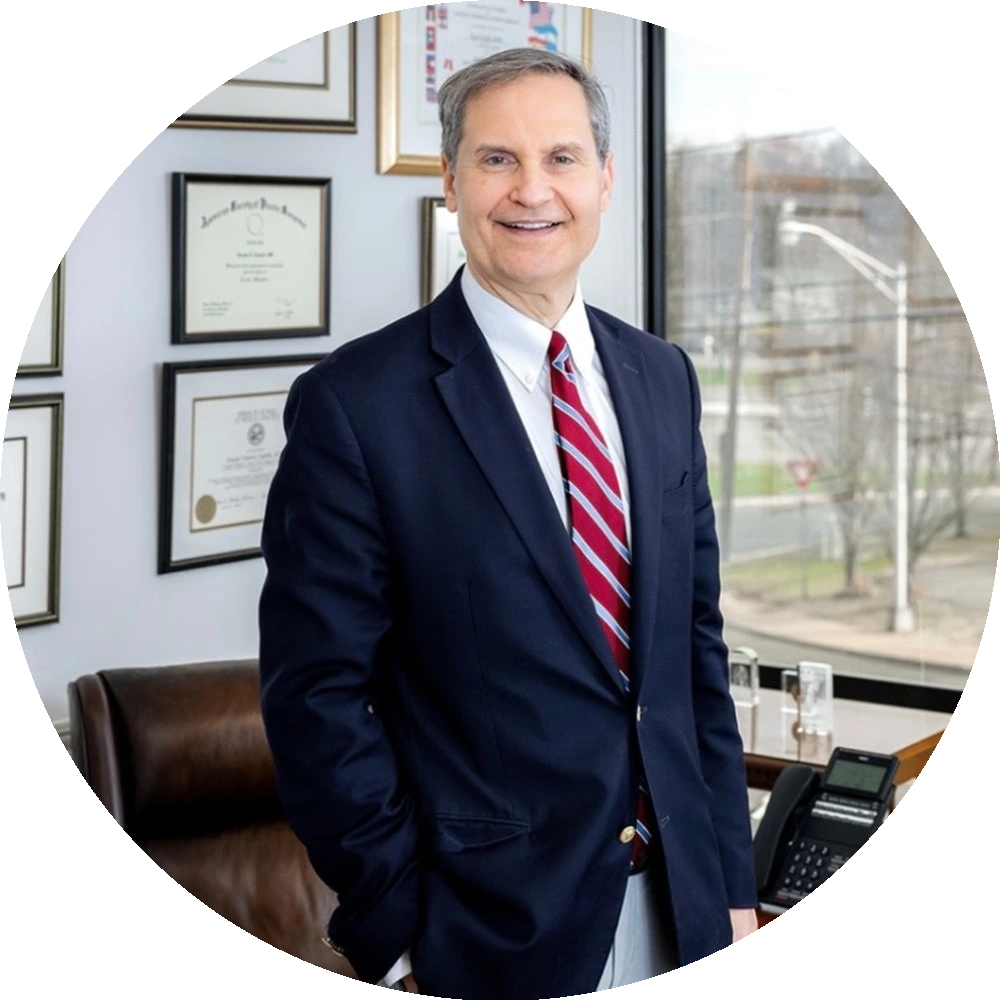
Dr. Joseph F. Capella is a board-certified plastic surgeon, and a pioneer and world leader in body contouring after weight loss. He has devoted his entire 25-year career to one thing: caring for patients after major weight loss. Most plastic surgeons offer this work as one service among many. For Dr. Capella, it is not one of the things he does. It is the only thing he does. That singular focus is why surgeons across the country refer their post-weight-loss patients to him.
For this specific patient population, Dr. Capella has performed more than 15,000 procedures, cared for over 25,000 patients, and holds the largest published single-surgeon case series in the world on body lifts, arm lifts, and medial thigh lifts. He completed his plastic surgery fellowship at the Mayo Clinic, serves as Chief of the Division of Post-Bariatric Surgery at Hackensack University Medical Center, is Chief of Plastic Surgery at Pascack Valley Medical Center, lectures to other plastic surgeons internationally, has co-authored several major plastic surgery textbooks, and has served on the American Society of Plastic Surgeons post-bariatric body contouring task force. He has been named one of the Top 10 Plastic Surgeons in New York and recognized among the Best Doctors in America for four consecutive years, and his work has been featured on ABC’s 20/20, The View, CNBC, and Elle. His father, Dr. Rafael Capella, was a founding member of the American Society for Metabolic and Bariatric Surgery.
This article is general educational information and is not medical advice. Any decision about your medication or surgery should be made with your prescribing provider and a qualified, board-certified plastic surgeon.